Personal Kanban sits at the center of a larger ecosystem of books about flow, collaboration, and humane systems. This page helps you know where to start and how the other titles connect.
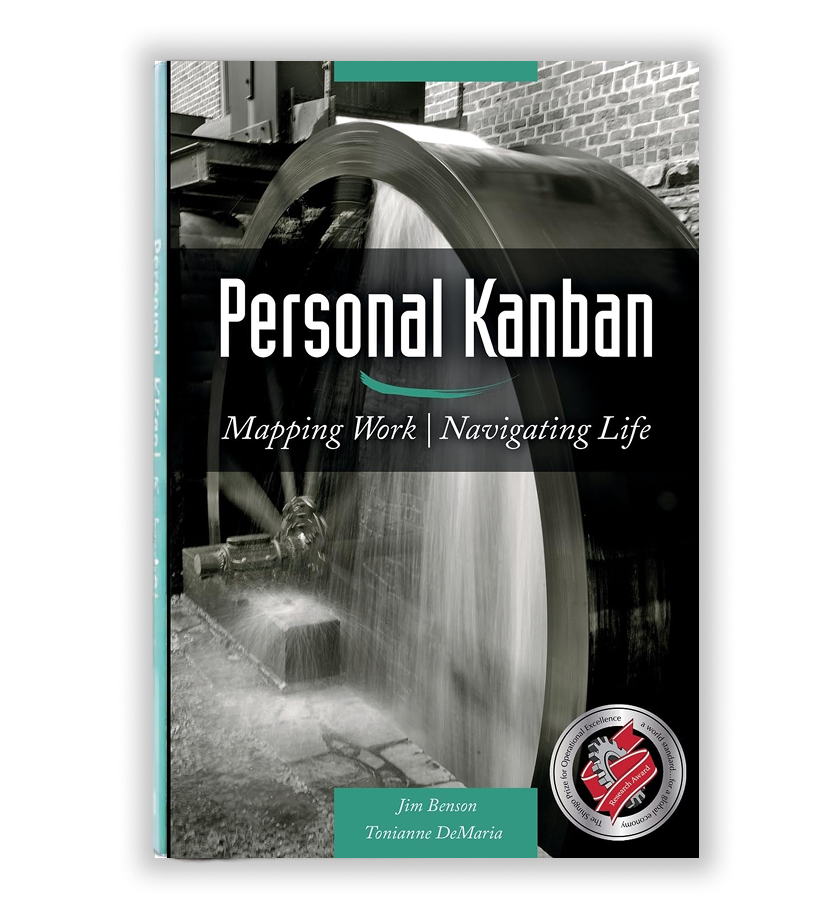
Personal Kanban: Mapping Work | Navigating Life
The book that started a global movement. Personal Kanban: Mapping Work | Navigating Life introduced Personal Kanban to readers around the world and received Lean’s highest award, the Shingo Research and Publication Award. It shows how two simple rules—visualize your work and limit your work‑in‑progress—help individuals and teams see their real workload, make better choices, and finish more of what truly matters.
Who this book is for
- People overwhelmed by competing priorities who want a humane way to organize work and life.
- Teams that are tired of static to‑do lists and need a shared picture of what is in flight.
- Leaders who want to understand Kanban as a way to design better workflows and systems, not just to use a board.
What you will learn
- How to build your first Personal Kanban board and adapt it to your context using examples and design patterns.
- How limiting work‑in‑progress improves focus, reduces multitasking, and increases completion.
- How to use your board as a “narrative map” of past, present, and future work so you can spot patterns and continuously improve.
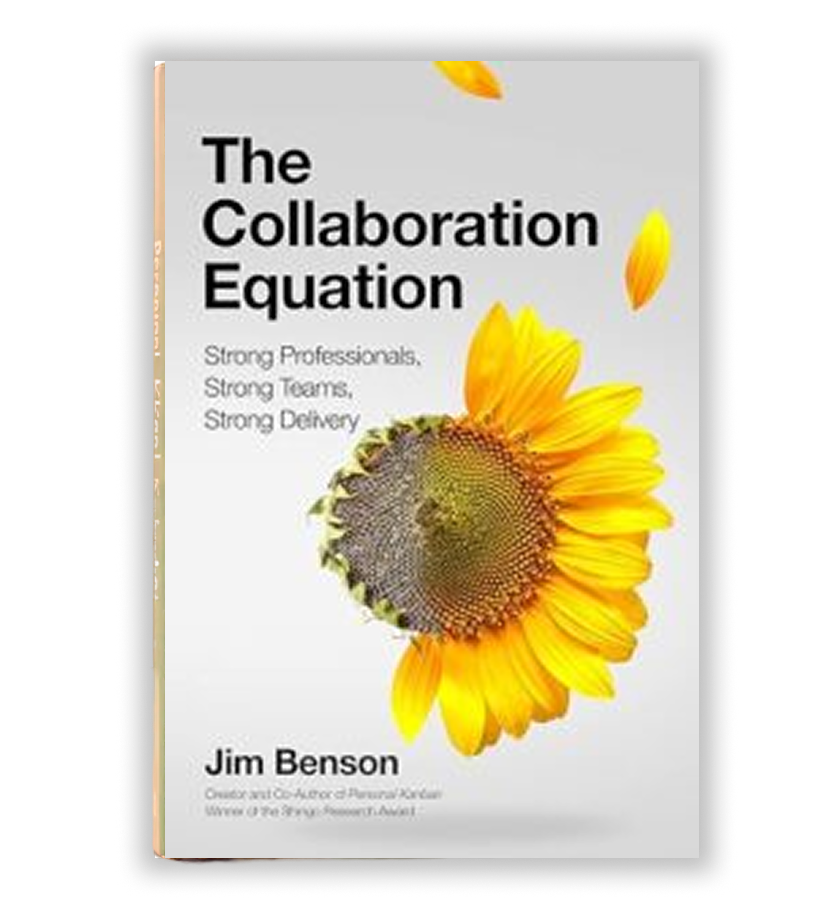
The Collaboration Equation
The Collaboration Equation is Jim Benson’s book about how to create strong professionals and strong teams by designing better collaborative environments. Where Personal Kanban focuses on seeing work and managing flow, The Collaboration Equation focuses on how people work together inside those systems—psychological safety, agreements, and the “right environment” that allows professionals to do their best work.
Who this book is for
- Leaders, managers, and senior practitioners who want to move beyond tools into culture and environment design.
- Teams that have implemented boards and WIP limits but still struggle with trust, accountability, and real collaboration.
How it fits with Personal Kanban
- Personal Kanban helps you see work and manage flow.
- The Collaboration Equation helps you shape the environment, relationships, and practices that make that flow humane and sustainable.
Books that deepen your Personal Kanban practice
These books are not required to start with Personal Kanban, but they deepen understanding of why it works and how to apply it in complex environments.
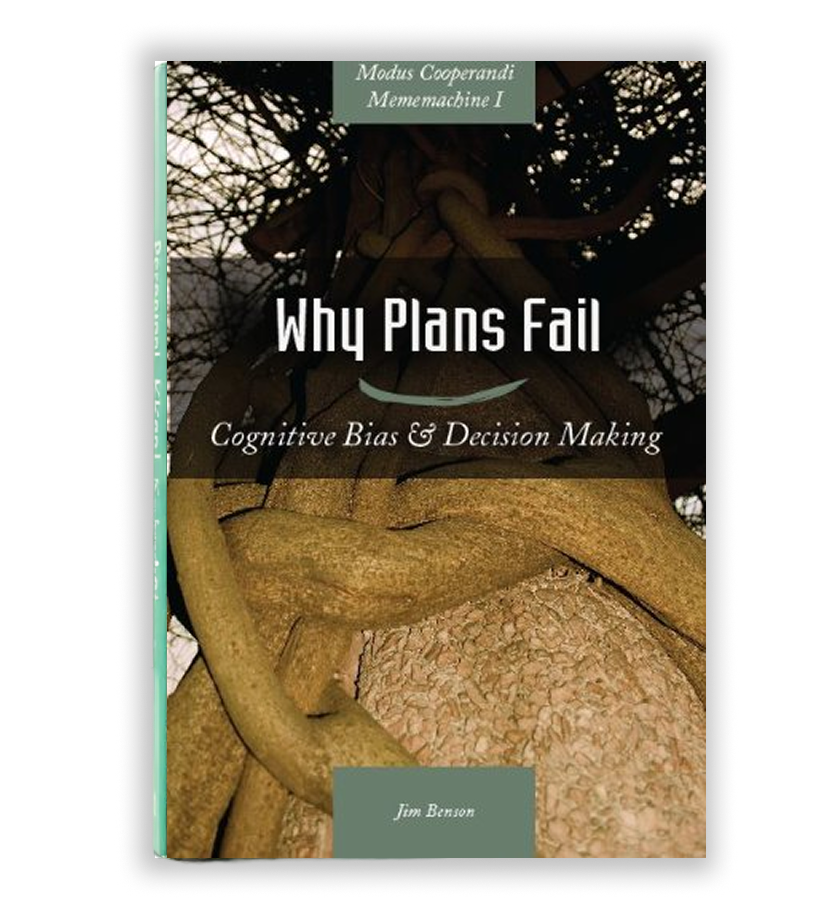
Why Plans Fail
Why Plans Fail explores why traditional planning often breaks down in complex, changing work and why teams need visual, adaptive systems instead of rigid schedules and thick project plans. It pairs naturally with Personal Kanban by explaining the traps of over‑planning and under‑learning, and pointing toward practices that respect uncertainty.
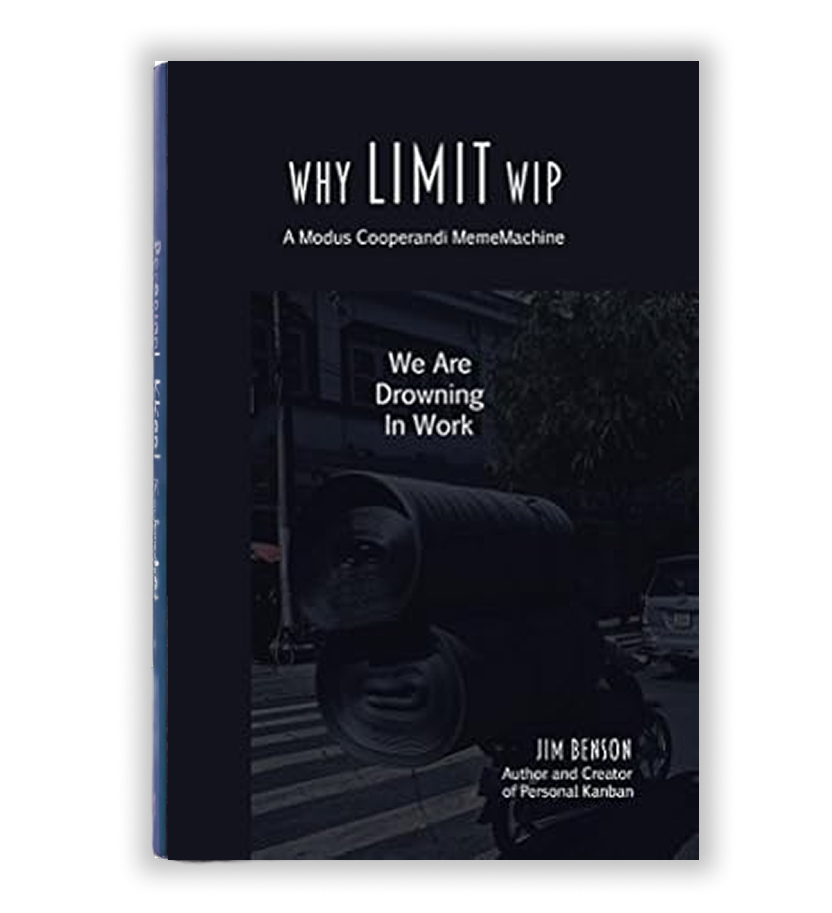
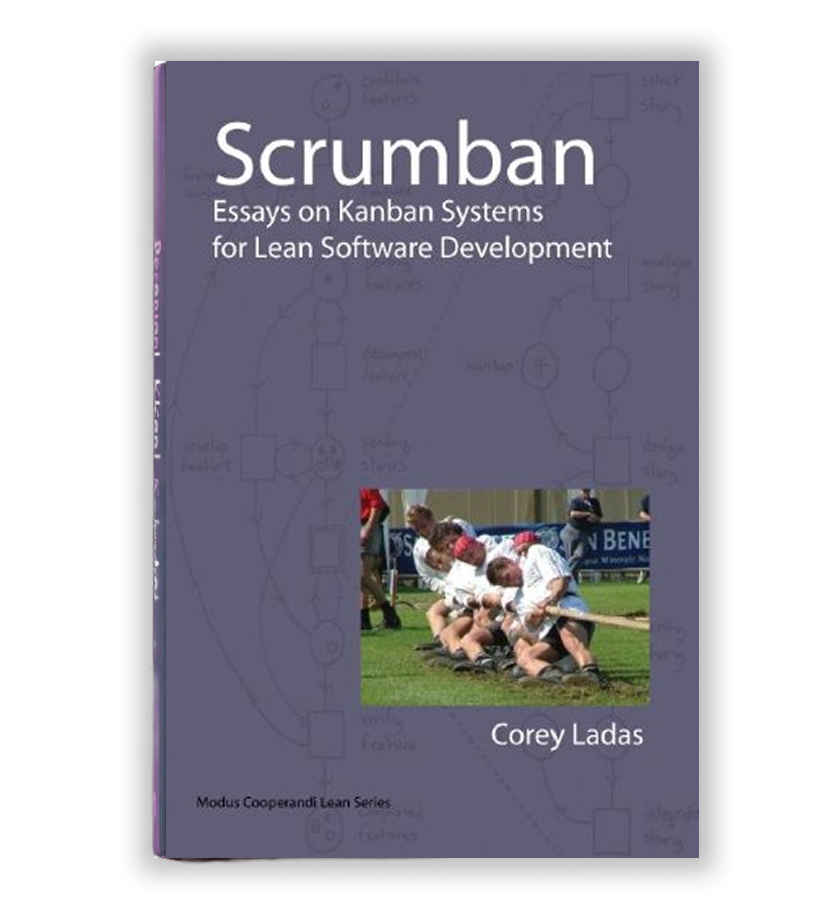
Scrumban
Scrumban describes blending Scrum and Kanban, especially for teams moving from fixed‑iteration, ceremony‑heavy Scrum toward more flow‑based systems. It is particularly useful if your teams already use Scrum and want to bring Personal Kanban’s focus on flow, visualization, and humane limits into their existing context.
Beyond Agile
Beyond Agile explores how real teams evolve their ways of working over time, moving past rigid frameworks to focus on continuous improvement grounded in Lean, Agile, and systems thinking. Through honest stories of success, failure, and learning across multiple industries and countries, the book demystifies agile work and highlights the human realities of knowledge work.
How these books fit into the Personal Kanban ecosystem
Think of the books as different entry points into the same humane, flow‑based approach to work:
- Start with Personal Kanban for a simple, visual way to manage work for individuals, teams, and organizations.
- Use Why Plans Fail, Why Limit WIP, and Scrumban to deepen your understanding of planning, limits, and flow in complex systems.
- Read The Collaboration Equation to focus on the people side: strong professionals, strong teams, and environments where change is possible.
From there, you can:
- Learn with others through Personal Kanban classes and Modus Institute courses.
- Experience these ideas in conversation at Kaizen Camp and Lean Coffee.
- Practice online using Personal Kanban in Kanban Zone with boards that match how you really work.